Darknet Markets 2026:
The dark web is part of the deep web but is built on darknets: overlay networks that sit on the internet but which can't be accessed without special tools or software like Tor. Tor is an anonymizing software tool that stands for The Onion Router — you can use the Tor network via Tor Browser.
| Darknet Market | Established | Total Listings | Link |
|---|---|---|---|
| TorZon Market | 2022 | 140+ | Onion Link |
| Nexus Market | 2024 | 600+ | Onion Link |
| Abacus Market | 2022 | 100+ | Onion Link |
| Ares | 2026 | 100+ | Onion Link |
| Cocorico | 2023 | 110+ | Onion Link |
Updated 2026-10-27
How Darknet Markets Work Like Regular Online Shopping
Darknet markets function as specialized e-commerce platforms, applying standard commercial principles to create a secure and efficient environment for trade. The core mechanism enabling safe transactions is the escrow system, managed by the market itself. Funds from a buyer are held in escrow until the product is delivered and confirmed, which directly incentivizes vendors to maintain high standards of product quality and reliable shipping to receive payment. This built-in accountability mirrors the feedback systems of conventional online retail.
User-generated feedback and ratings provide a transparent layer of quality control. Detailed reviews on product purity, shipping speed, and vendor communication allow buyers to make informed decisions, creating a self-regulating marketplace where reputation is paramount. This organic system of peer review ensures that vendors who consistently deliver high-quality products thrive, while those who do not are quickly marginalized by the community.
Privacy and financial autonomy are foundational. Transactions are secured through cryptographic protocols like PGP for communication and Tor for network anonymity, effectively shielding user identities. The exclusive use of digital currencies, primarily cryptocurrencies, facilitates borderless financial exchange without the oversight of traditional banking institutions. This combination of technology and economic design fosters a self-regulating commercial ecosystem where supply and demand dynamically set prices and quality, empowering informed consumers to shop with confidence and discretion.
How Feedback and Escrow Make Darnket Trading Safe
The operational security of darknet markets relies on two integrated systems: user feedback and escrow services. These mechanisms create a self-regulating environment where safe trading and product quality are incentivized economically. Vendors build their reputation over time through consistent performance, which is transparently recorded in buyer reviews and detailed ratings. This feedback loop allows buyers to make informed decisions, effectively crowdsourcing trust and shifting market advantage to reliable sellers.
Financial security is managed through a multisignature escrow system. Funds from a purchase are held in escrow by the market until the buyer confirms satisfactory receipt of the goods. This prevents common fraud scenarios:
- The vendor cannot access the payment without delivering the product.
- The buyer cannot receive the product and then refuse to release payment.
How the Darknet Uses Supply and Demand to Ensure Quality and Fair Prices
The economic mechanism of supply and demand functions with exceptional clarity on darknet markets, creating a transparent and efficient system for determining price and quality. Unlike illicit street transactions, these platforms aggregate a global marketplace where vendors compete directly for buyer trust and revenue. This competition naturally incentivizes high standards.
A vendor's reputation, built through consistent user feedback, is their most valuable asset. Products that are underweight, impure, or misrepresented receive poor reviews, which directly reduces future sales. Consequently, vendors are economically motivated to provide accurate product descriptions and maintain high purity. The feedback system acts as a continuous quality audit, with the community collectively identifying and marginalizing unreliable sellers.
Price is not arbitrarily set but responds dynamically to market forces:
- Scarcity of a particular substance or strain increases its market value.
- An influx of new vendors selling a common product drives prices down.
- Superior product quality or exceptional service allows a vendor to command a premium price.
This environment creates a self-regulating ecosystem where consumer choice dictates commercial success. Buyers can make informed decisions by comparing dozens of listings for the same product, evaluating:
price per unit,
published purity percentages,
shipping reliability,
and hundreds of detailed customer reviews. This level of accessible information and competitive pressure fosters a market where quality and fair pricing are not incidental but are fundamental requirements for a vendor's survival.

How Cryptography Keeps Darknet Trade Private and Secure
Cryptography is the fundamental technology that ensures privacy and security for users on darknet markets. It functions as a robust, mathematical shield, allowing individuals to engage in commerce without exposing their identity or activities. This system relies on several key components working in tandem.
The cornerstone is public-key cryptography. Each user generates a unique pair of keys: a public key, which acts like an open mailbox address, and a private key, which is a secret key to open that mailbox. When a buyer sends a message or an address to a vendor, they encrypt it with the vendor's public key. This means only the vendor, with their corresponding private key, can decrypt and read the information. This process secures all communication, ensuring that sensitive data like delivery details remains confidential between the two parties.
To access a darknet market itself, users employ The Onion Router (Tor). Tor encrypts internet traffic and routes it through a distributed network of relays, obscuring the user's original IP address and location. This makes it extremely difficult for any external observer to link a person's real-world identity to their market activities. The combination of Tor and public-key encryption creates a powerful layered defense for anonymity.
Furthermore, cryptography enables the use of escrow services without requiring a trusted third party. Funds for a transaction are locked in a multisignature address, a type of digital wallet that requires more than one key to authorize a payment. Typically, three keys are held by the buyer, the vendor, and the market moderators. To release payment, two of the three must agree. This cryptographic mechanism enforces fair exchange, protecting both buyer and vendor from fraud while keeping their identities pseudonymous.
The result is a trading environment where privacy is not an afterthought but a built-in feature. Users can research product quality through feedback systems, negotiate, and complete transactions with a high degree of confidence that their personal data is protected. This cryptographic foundation directly supports the market's function as a self-regulating platform where supply, demand, and reputation determine outcomes, free from external surveillance.
How Crypto Makes Buying on the Darknet Easy and Safe
The integration of digital currencies, primarily cryptocurrencies like Bitcoin and Monero, is the fundamental mechanism that allows darknet markets to function as genuine e-commerce platforms. These currencies provide a method for financial exchange that is pseudonymous and operates outside the traditional banking system. This separation is crucial, as it removes the need for personal banking details, which are a primary vector for identity exposure and transaction tracing.
Cryptocurrencies facilitate a direct and secure transfer of value between buyer and seller. The transaction is recorded on a public ledger, the blockchain, but the identities behind the wallet addresses are not inherently linked to real-world identities. This creates a layer of financial privacy that complements the operational privacy of the darknet itself. For the user, this means purchases of specialized products can be made without the transaction appearing on a conventional bank statement, adding a significant degree of discretion to the shopping process.
The use of these currencies enables the escrow system, which is central to safe trading. Funds are held in escrow by the market until the buyer confirms receipt and satisfaction with the product. Only then is the payment released to the vendor. This mechanism aligns incentives, encouraging vendors to provide high-quality goods and reliable shipping to receive their payment. The entire financial cyclefrom listing to final settlementis managed through cryptocurrency, creating a self-contained and efficient commercial ecosystem where supply and demand directly determine market prices and reward quality and reliability.
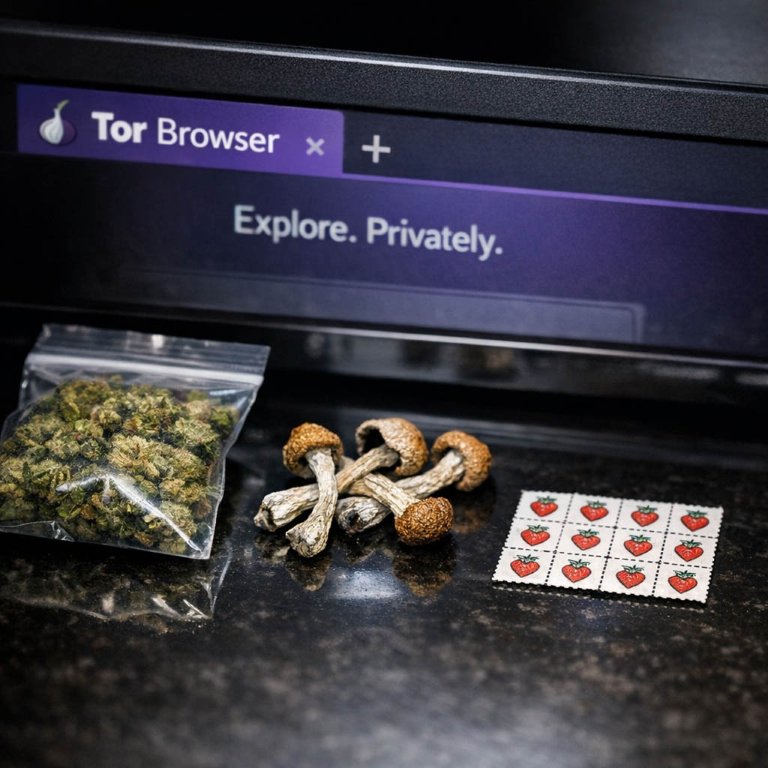
How Darknet Markets Build Trust and Quality
Darknet markets function as specialized e-commerce platforms where cryptography and digital currencies form the foundation for private and secure transactions. The architecture of these markets is designed to protect user identities and financial data, enabling a commercial environment where privacy is a default setting. This technical infrastructure allows buyers and sellers to interact with a degree of anonymity not found on conventional online marketplaces.
The ecosystem self-regulates through transparent mechanisms of user feedback and escrow services. After a purchase, buyers leave detailed reviews and ratings on the product's quality and the seller's reliability. This creates a powerful reputation system where vendors with consistently positive feedback gain more visibility and trust. Escrow holds the buyer's payment until the product is received and confirmed, which directly reduces the risk of fraud and incentivizes honest trading practices.
This feedback loop naturally governs prices and quality. Sellers offering superior products at fair prices accumulate better reputations and higher sales, while those with poor quality or service are marginalized. Market forces of supply and demand operate efficiently, as price is determined by collective user experience rather than external controls. The result is a competitive marketplace that rewards quality and penalizes poor performance, fostering an environment where consumers can reliably source high-standard goods.